





Things to Consider When Starting an Earthmoving Business

Key takeaways
- Demand for earthmoving services across Australia is steady, but startup costs are real. Most new operators finance their equipment rather than tying up working capital in a deposit.
- Pick your niche before you pick your gear. The jobs you have actually quoted should decide which machines you buy, not the other way around.
- A specialist commercial finance broker beats walking into a bank, particularly for new ABNs.
- Cash flow, not a lack of work, ends most new earthmoving businesses. Invoice fast, chase overdue payments early, and keep a buffer that covers at least one month of operating costs.
Your Complete Guide To Starting an Earthmoving Business in Australia
Australia’s construction and infrastructure pipeline keeps moving forward, and earthmoving operators sit right at the heart of it. From subdivision pads and civil works to mine site prep, demolition, and acreage clearing, there’s steady work for owner-operators who set themselves up properly.
But getting an earthmoving business off the ground takes more than a ute and a five-tonne excavator. You need a clear plan, the right gear, the right finance, the right licences, and a strategy for keeping cash flowing while you find your feet.
This blog walks you through every step, from picking your niche to financing your first machine, so you can hit the ground running.
Is starting an earthmoving business worth it in Australia?
Demand for earthmoving services across Australia continues to track with population growth, infrastructure investment, residential development, and resources activity. Civil construction, road maintenance, subdivisions, council projects, mine site work, and even backyard pool digs all need machine operators.
For owner-operators with the right gear and a solid book of contacts, an earthmoving business can be genuinely profitable. It is not a quick-money path, though. Startup costs are real, the work can be seasonal in some regions, and getting paid on time takes discipline. The operators who do well treat it as a serious business, not a side hustle with a digger.
Steps to start an earthmoving business
1. Define your niche and the services you will offer
The “earthmoving” label covers a lot of ground. Before you spend a cent on equipment, get specific about what your business will actually do. The market is too competitive to be a generalist on day one.
Common earthmoving niches include:
- Residential site prep, pool digs, and acreage clearing
- Subdivision works and pad preparation
- Civil construction and roadworks
- Landscaping and tree removal
- Demolition support and rubbish clearing
- Trenching for utilities, plumbing, and electrical
- Rural and agricultural earthworks, including dam construction
- Mine site preparation and rehabilitation
Picking a niche shapes everything else. The gear you buy, the licences you need, the insurance you carry, and the customers you target all flow from this one decision.
2. Write a solid business plan
A business plan is not just paperwork for the bank. It is the document that forces you to think through whether your idea actually stacks up.
Cover the basics:
- Services and target market
- Pricing and revenue forecast
- Equipment list and capital requirements
- Operating costs, including fuel, maintenance, insurance, and labour
- Marketing strategy
- Cash flow forecast for the first 12 to 24 months
- Risk plan for slow periods and equipment breakdowns
Lenders, suppliers, and accountants will all ask for some version of this. More importantly, you will need it yourself when things get bumpy.
3. Register your business and get your ABN
Before you can quote your first job, you need to be set up properly. That means:
- Choosing a business structure (sole trader, partnership, company, or trust)
- Registering for an ABN through the Australian Business Register
- Registering a business name if you are trading under something other than your own
- Registering for GST if you expect to turn over $75,000 or more a year
- Setting up business banking and accounting
This is also a good time to engage an accountant. Earthmoving has a few tax quirks around equipment depreciation and the instant asset write-off, and getting the structure right at the start saves headaches later.
4. Sort your licences, permits, and accreditations
Earthmoving is a regulated space. Requirements vary by state and by the type of work you do, but you will typically need:
- High-Risk Work Licence for operating certain machinery, including some excavators, dozers, and graders above set capacities
- Construction induction card (White Card) for working on any construction site
- Earthworks or excavation contractor licence in some states for jobs above a certain value
- Dial Before You Dig referral for trenching and excavation work
- Specific accreditations for working on rail corridors, mine sites, or government projects
Check with your state regulator (SafeWork NSW, WorkSafe Victoria, Workplace Health and Safety Queensland, and so on) before you take on jobs. Operating without the right ticket can void your insurance and shut your business down overnight.
5. Choose the right earthmoving equipment
Your equipment is your biggest investment and the biggest decision you will make. The right gear depends entirely on the work you have chosen.
Common earthmoving equipment includes:
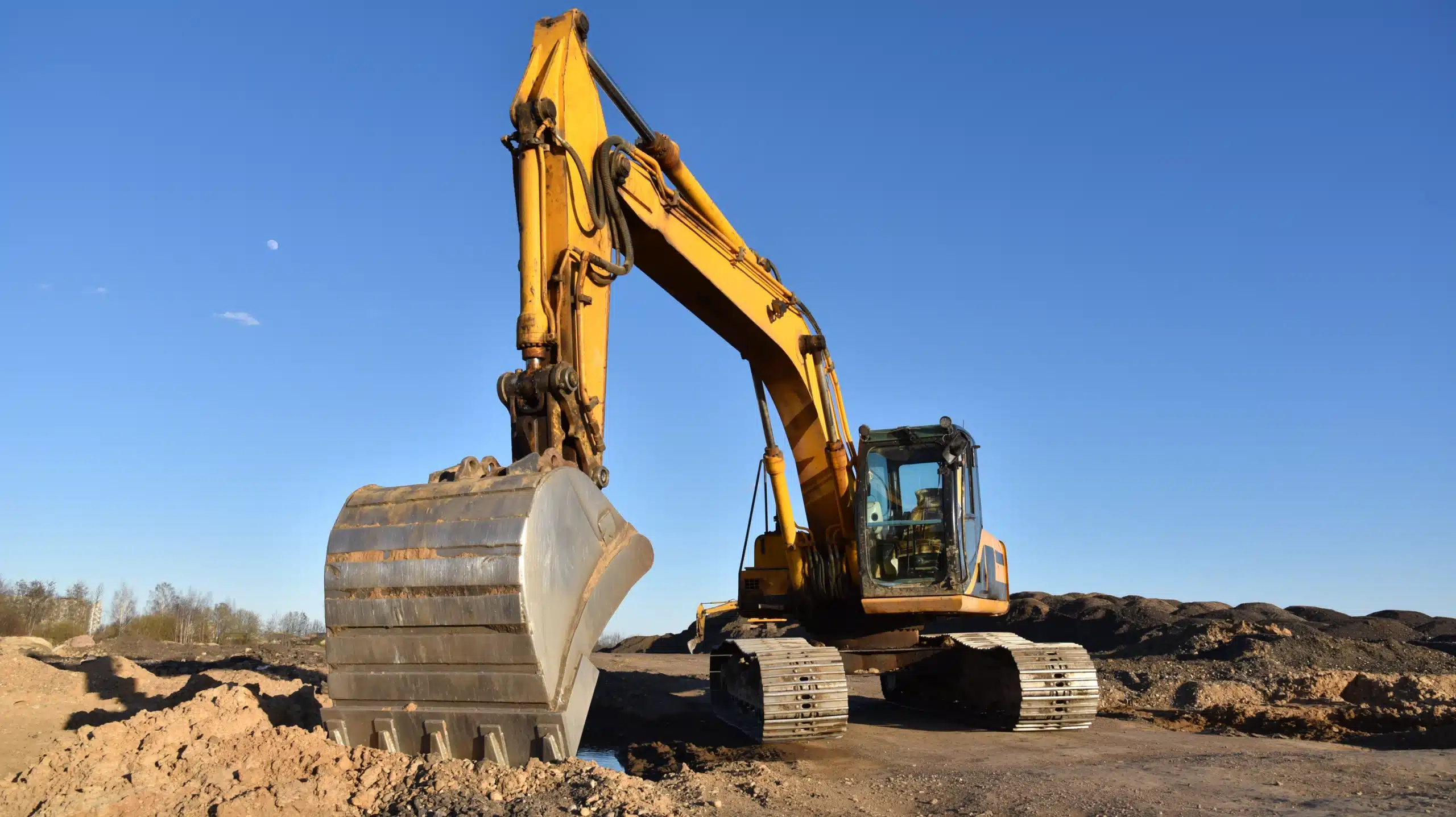
- Excavators (from 1.7-tonne mini excavators up to 30-tonne-plus machines)
- Skid steer loaders and bobcats
- Bulldozers
- Backhoes
- Front-end loaders and wheel loaders
- Graders
- Compactors and rollers
- Tippers, water trucks, and float trucks
- Trenchers and post hole borers
A few things to think about before you buy:
- Buy what suits the jobs you have actually quoted, not the jobs you wish you had
- Late-model used equipment can be a smart starting point for new operators
- Factor in attachments (buckets, augers, rippers, grabs), which often add up to the cost of another machine over time
- Plan for transport. A truck and float, or hire-in transport, is part of the real cost
For most new earthmoving businesses, financing the equipment makes more sense than draining all your working capital into a deposit.
6. Finance your equipment the smart way
This is the step where a lot of new earthmoving businesses get tripped up. Banks can be slow, conservative, and inflexible when you do not have years of trading history behind you.
Brokers who specialise in commercial equipment finance see deals like yours every day and know which lenders are comfortable with new ABNs, sole traders, and start-up operators.
There are several ways to finance earthmoving equipment in Australia:
| Finance type | How it works | Best suited to |
|---|---|---|
| Chattel Mortgage | You own the equipment from day one. The lender holds a mortgage over the asset until the loan is paid out. Interest and depreciation are usually tax-deductible. | Operators wanting ownership from the start and predictable repayments. |
| Commercial Hire Purchase | You hire the equipment from the lender with an option to purchase at the end of the agreement. Fixed payments across the term. | Operators who want fixed monthly payments and clear end-of-term ownership. |
| Equipment Lease | The lender owns the equipment and you lease it for a set period, with options at the end of the lease term. | Operators who want a lower upfront commitment and the flexibility to upgrade. |
| Rental | Short-term arrangement to use equipment without committing to ownership. | Trialling a new line of work, covering peak-period overflow, or one-off jobs. |
Working with an earthmoving equipment finance broker who knows the industry comes with three big advantages over walking into a bank:
- Access to 60+ lenders, not just one
- Lenders who actually understand earthmoving and the cash flow cycles that come with it
- Faster approvals on commercial equipment, with documentation matched to your situation
If your work involves tipper trucks or float trucks as part of your fleet, you will want a broker who handles both truck loans and equipment finance under one roof, so the structure is clean and the paperwork does not drag.
Want to see what monthly repayments could look like on a piece of equipment you are considering? Use the repayment calculator to model it before you commit.
7. Get the right insurance cover
Earthmoving is high-risk work, and an insurance gap can end a business in a single bad day on site. The cover you need typically includes:
- Public liability insurance (usually $10 million or $20 million for civil work)
- Plant and equipment insurance, covering your machines for damage, theft, and fire
- Mobile plant insurance for in-transit and on-site cover
- Workers compensation if you have employees
- Personal accident and income protection cover for owner-operators
- Goods in transit cover if you are hauling materials
Talk to an insurance broker who specialises in trade and civil businesses. The cheapest premium is almost never the right policy.
8. Find your first customers
Without a pipeline of work, the rest of the plan does not matter. New earthmoving businesses typically win their first jobs through:
- Word of mouth and existing trade contacts (builders, plumbers, electricians, landscapers)
- Subcontracting to bigger civil and earthworks firms during their peak periods
- Local Facebook groups and trade-specific online platforms like hipages, ServiceSeeking, and OneFlare
- A simple, fast-loading website that ranks for local searches
- Google Business Profile listing with photos of your gear and past jobs
- Direct outreach to local developers, councils, and project managers
- Signage on your machines, ute, and float
The operators who win consistent work treat marketing the same way they treat their gear: as part of the business, not an afterthought.
9. Build a system for managing cash flow
Cash flow is the number one killer of new earthmoving businesses, even the ones with strong job pipelines. You buy fuel and parts upfront, pay your operators weekly or fortnightly, and then wait 30, 60, or even 90 days to get paid by the head contractor.
A few habits that protect you:
- Invoice the same day a job is finished, not at month-end
- Set clear payment terms and follow up on overdue invoices early
- Keep a separate account for GST and tax so you are not borrowing from it
- Build a buffer that covers at least one month of operating costs
- Talk to your finance broker before things get tight, not after
If you need working capital for fuel cards, expansion, or to smooth out a slow patch, a business loan can be structured around your job pipeline.
Common mistakes to avoid when starting an earthmoving business
A few patterns come up again and again with new operators. The ones who avoid these tend to last:
- Buying too much machine for the work they actually have
- Underquoting jobs because they have forgotten to cost in fuel, transport, maintenance, insurance, and downtime
- Skipping the business plan and the cash flow forecast
- Going to a bank instead of a specialist broker for finance, then taking the first deal offered
- Not building a maintenance schedule, then losing weeks of revenue to a single breakdown
- Forgetting that GST and PAYG are not their money
- Trying to be everything to everyone instead of niching down
How AGM Finance helps new earthmoving businesses get started
AGM Finance has been arranging commercial finance for Australian operators since 1996. Across 30 years, we have arranged more than $2.3 billion in funding for businesses in trucking, civil, construction, agriculture, mining, and equipment-heavy trades.
For a new earthmoving business, the value of working with a specialist broker is straightforward:
- We work with 60+ lenders, including the ones who back new ABNs and start-up operators
- We understand earthmoving cash flow cycles and how to structure finance to match
- We have a 98% success rate on client applications
- We handle the paperwork end-to-end, so you can stay on the tools
- We can finance excavators, dozers, loaders, tippers, floats, trailers, and ancillary gear under one structure
If you want to talk through what is possible before you commit to a machine, the conversation is free and starts with a quick chat with our team.
Get earthmoving equipment finance with AGM
Setting up an earthmoving business is a big step. Make the finance part the easy part. AGM Finance arranges equipment finance, truck finance, and working capital for operators across Australia, with 60+ lenders, 30 years of experience, and a 98% approval rate behind every application.
Apply now or calculate your repayments to get started.
Frequently asked questions
How much does it cost to start an earthmoving business in Australia?
Startup costs vary widely based on the equipment you choose. A small operator running a mini excavator and a tipper trailer might start with capital costs in the range of $80,000 to $150,000.
A larger civil setup with a 20-tonne excavator, dozer, and tipper truck can sit well into the high six figures. Most operators finance the equipment to spread the cost, then need working capital for fuel, insurance, registrations, and the gap between job start and first payment.
Do I need a licence to operate earthmoving equipment?
For most equipment, you will need at minimum a White Card (construction induction). High-Risk Work Licences apply to certain plants, including some excavators, dozers, graders, and loaders above set capacities, with the exact thresholds varying by machine type and state.
Some states also require a contractor’s licence for earthworks or excavation jobs above a certain value. Check with your state regulator before quoting.
Can I finance earthmoving equipment as a new business?
Yes. Several lenders specialise in funding new ABNs and start-up operators, particularly when you are working through a specialist broker. The right structure depends on your situation, the equipment, and the lender’s appetite for your line of work. A specialist earthmoving finance broker will know which lender is the best match.
What is the best earthmoving equipment to start with?
For most new operators, a mid-sized excavator (between 5 and 14 tonnes) is the most versatile starting point. It covers residential site work, trenching, landscaping, and pool digs, and it is small enough to transport on a standard float.
A skid steer or bobcat is a common second machine. Choose based on the jobs you have actually quoted, not the jobs you hope to land.
How long does it take to get finance approved for earthmoving equipment?
With a specialist broker, approvals on standard commercial equipment finance can move quickly when documentation is in order. Bigger or more complex deals take longer. Going through a broker is usually faster than walking into a bank, because the broker matches the deal to the right lender first time.
Is it better to buy or lease earthmoving equipment?
It depends on your tax position, cash flow, and how long you plan to keep the machine. A chattel mortgage suits operators who want ownership and predictable repayments. A lease or rental can suit operators who want a lower upfront commitment and the option to upgrade. A finance broker can model both options for your specific situation.
- Author

- Tags

We have access to over 60 lenders.
GET A FREE QUOTEI want to borrow...
Monthly Repayment
Related articles
View all News & Advice