







Truck Finance
From 5.99%


We have access to over 70 different lenders
It’s part of our duty to ensure that you are receiving the best and stress-free equipment finance, truck loan pricing and lease term possible without any hidden fees and charges.
Get your commercial loans processed today!

30 years
$2.3 Billion
98%


















What Can You Finance?
AGM Finance arranges funding for a wide range of trucks and heavy vehicles used across Australian industries. Here is a breakdown of what our clients commonly finance.
New and Used Trucks
Your first truck whether that is new and used are eligible for finance. Newer vehicles generally attract lower rates and longer terms due to their higher residual values and lower risk profile.
Used trucks, including those over ten years old in some cases, can still be financed, though the available terms and rates will depend on the age, condition and type of vehicle. We work with lenders who specialise in used used truck finance, so older assets are not a problem.
Dealer and Private Sale Purchases
You are not limited to buying from a dealer. AGM Finance arranges funding for trucks purchased through authorised dealers, independent yards, auctions and private sellers.
For private sale purchases, we manage the settlement process to ensure the seller is paid correctly and that any existing truck finance or encumbrances on the vehicle are cleared before ownership transfers to you.
Compare Truck Finance Options
One of the biggest decisions when financing a truck is choosing the right product. Each structure treats ownership, GST, tax deductions and end-of-term obligations differently, so what works for one business may not suit another.
Below is a summary of the most common options our clients choose, along with when each tends to make the most sense.
| Structure | Ownership | GST Claim | Balloon Option | Best For |
|---|---|---|---|---|
| Chattel Mortgage | You own from day one | Upfront on purchase | Yes | Most owner-operators |
| Finance Lease | Lender owns until end | On repayments | Yes (residual) | Businesses wanting flexibility |
| Commercial Hire Purchase | You own at final payment | On repayments | Yes | Businesses wanting to own outright |
| Operating Lease | Lender retains ownership | On repayments | N/A (return asset) | Short-term or high-turnover fleets |
Your accountant or financial adviser can help determine which structure delivers the best outcome for your specific tax and cash flow situation.
Chattel Mortgage
A chattel mortgage is the most widely used truck finance structure in Australia, particularly among owner-operators and small fleet businesses. Under this arrangement, you take ownership of the truck from the point of purchase, with the lender holding a mortgage over the asset as security until the finance is repaid.
For GST-registered businesses, one of the main advantages is that you can claim the full GST on the purchase price in your next BAS, which can provide a meaningful cash flow benefit early in the ownership period. Interest and depreciation are typically tax-deductible as well.
Finance Lease
With a finance lease, the lender purchases the truck and leases it to you for an agreed term. You have full use of the vehicle throughout the lease period, but the lender retains ownership. At the end of the term, you typically have the option to pay a residual amount and take ownership, extend the lease, or hand the truck back.
Truck finance leases can be attractive for businesses that prefer to keep the asset off their balance sheet, and GST is claimed progressively on each repayment rather than upfront.
Commercial Hire Purchase
Commercial hire purchase is similar to a chattel mortgage in that ownership transfers to you, but the timing is different. Under a hire purchase agreement, the lender owns the truck during the term and you make regular payments that include a component toward the purchase price.
Once the final payment is made, ownership passes to you. This structure allows you to claim depreciation and interest as tax deductions, and a balloon payment can be built into the truck finance agreement to reduce your regular repayments.
Balloon Payments
A balloon payment (sometimes called a Residual Value) is a lump sum payable at the end of your truck finance term. By deferring a portion of the total cost to the final payment, your regular monthly or weekly repayments are reduced during the term. This can be a practical tool for managing cash flow, especially if you plan to refinance, trade in or sell the truck before the balloon falls due.
Typical balloon amounts range from 10% to 35%, depending on the lender, asset type and term length. Your truck finance broker can model different balloon scenarios so you can see exactly how it affects your repayments and total cost.
Refinancing Existing Truck Finance
If your current truck finance arrangement was set up when rates were higher, or your business circumstances have improved, refinancing may save you money. We regularly help clients switch to a better rate or restructure their existing arrangements to free up working capital.
Refinancing your truck loan can also be an opportunity to consolidate multiple agreements into a single, more manageable facility. Your broker will assess the break costs on your current contract and compare them against potential savings to make sure a switch is genuinely worthwhile.
Truck Finance Rates and What Impacts Them
Rates on truck finance vary based on several factors, and understanding what lenders look at can help you position your application for a competitive offer. Our guide to truck finance rates in Australia explains the basics, including what influences pricing and why rates can differ between borrowers.
The rate you are offered depends on a combination of asset, business and structural factors. Here is a quick summary of what lenders assess.
Key Factors That Influence Your Rate
| Factor | Impact on Rate |
|---|---|
| Asset age | New and near-new trucks attract the lowest rates. Older vehicles can carry slightly higher rates due to depreciation risk. |
| Deposit | A larger deposit reduces the lender’s exposure and typically unlocks better pricing. |
| Term length | Shorter terms can mean less total interest paid at the end of the term. |
| Credit and trading history | Established businesses with clean credit qualify for the best rates. New businesses or impaired credit can still be approved at a higher rate. |
| Finance structure | Some lenders price chattel mortgages differently to leases or hire purchase agreements. |
For a closer look at what actually determines your truck finance rate, including how lenders assess your business, truck and loan structure, read our detailed guide.
Fees to Be Aware Of
Beyond the interest rate, common costs can include establishment fees, account-keeping fees and early termination fees. Not all lenders charge all of these, and some fees may be negotiable. Your truck finance broker should explain the full cost breakdown before you commit.
There is more to comparing finance than the headline rate alone. Read our guide to what truck finance brokers consider beyond interest rates to understand how loan terms, fees, repayment flexibility and cash flow can affect the suitability of a finance option.
I want to borrow…
Monthly Repayment
Choosing a Truck Finance Company
Choosing the right finance structure for a truck purchase can make a significant difference to your cash flow, tax position and long-term cost of ownership.
At AGM Finance, our truck finance brokers work across a wide panel of lenders to find the structure and rate that fits your business, not just the one that is easiest for the lender.
With access to the cheapest rates and fastest approval turnaround times, we are the best in the business.
Why Businesses Partner With Us
A bank gives you a loan. We give you a finance partnership
Glen, Brisbane
Vesna M, Sydney
Scott H, Brisbane
Amar A, Melbourne
Greg T, Sydney
Kristy C, Brisbane
Michael B, Melbourne
Marcus C, Sydney
Samantha C, Brisbane
Vince Di Falco, Director of DECC Demolition
Dustin Olsen, Director of Networx Construction
Truck Finance Eligibility and Documents
Commercial truck finance is available to a broad range of Australian businesses, from sole traders through to large fleet operators. Below is a guide to what lenders typically look for.
Owner-Operators
If you are an owner-operator running your own truck, you will need a current ABN, proof of identity and evidence of income or business activity.
For established operators with two or more years of trading history, the process is generally straightforward and many applications qualify under low-doc criteria. A clean credit file and a history of meeting financial commitments will help secure the best rates available.
Fleets and Transport Businesses
For larger operators financing multiple vehicles, lenders will typically assess your overall business financials, fleet utilisation and contract pipeline.
We work with businesses ranging from small fleets of two or three trucks through to national operators with dozens of vehicles. Fleet-specific structures can include volume-based pricing, staggered settlement dates and consolidated facilities to simplify administration.
New Businesses and New ABN Holders
If you are new to the industry or have recently registered your ABN, finance is still available, though the options may be more limited than for established operators.
Lenders who specialise in new-to-industry applicants will look at your relevant experience, any assets you can offer as additional security, and the size of your deposit. A strong application from a first-time owner-operator with industry experience and a decent deposit can still receive competitive terms.
Document Checklist
While the exact requirements vary by lender and product, here is what most applications will need:
- Proof of identity (driver licence or passport)
- ABN and business registration details (ASIC extract for companies)
- Recent business financials: last two years of tax returns and financial statements, or six months of business bank statements for low-doc applications
- Details of the truck being purchased (dealer invoice, listing or auction receipt)
- Evidence of deposit funds (if applicable)
Your broker will confirm exactly what is needed for your situation.
Why AGM Finance for Truck Finance
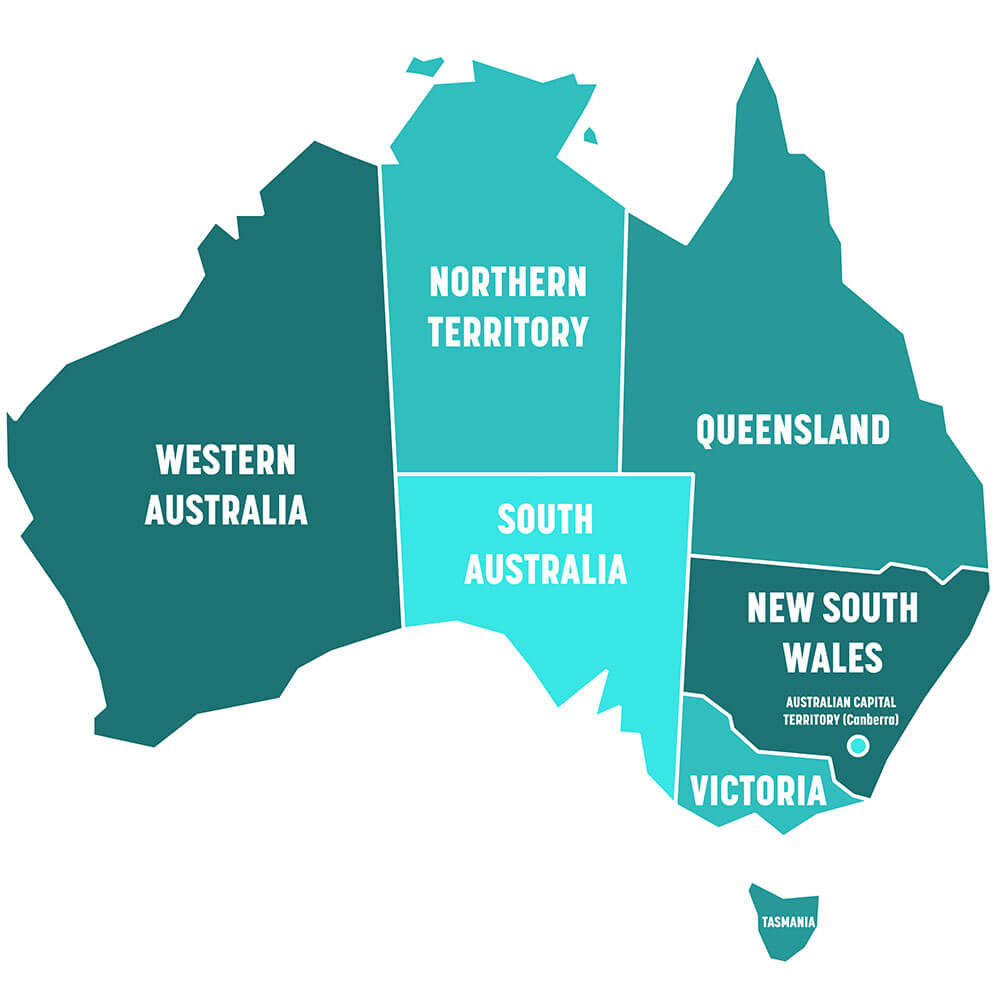
AGM Finance has been arranging truck finance and commercial asset finance since 1996. For three decades, we have arranged specialist truck finance across Brisbane, Sunshine Coast, Sydney, Melbourne, Canberra, Adelaide, and Perth.
We have built a reputation for competitive truck loan rates, fast approvals and a service model that puts the borrower first.
Our brokers are truck finance specialists, not generalists who handle the occasional heavy vehicle deal. They understand the transport industry, the vehicles, the operating costs and the cash flow pressures that come with running a trucking business.
That means practical structuring advice, not just rate shopping.Every client is assigned a dedicated broker who stays with you from the first quick quote through to settlement and beyond.
When you call, you speak to the same person. When you are ready to add another truck or refinance down the track, they already know your business.
AGM has been recognised with national asset finance broker awards every year for over a decade, a consistency that reflects how seriously we take every application, regardless of size.
Delivering award-winning finance since 1996











Get an Obligation-Free quote today.
We shop for the best interest rate so you don’t have to.

Apply for Pre-Approval now.
Complete the quick online application with no effect on your credit score.
 1300 664 687
What does a truck finance broker actually do?
A truck finance broker acts as an intermediary between you and the lender. Rather than approaching banks individually, your broker assesses your situation, identifies the most suitable lenders from their panel, negotiates the rate and terms on your behalf, and manages the application through to settlement.
A good broker saves you time, gives you access to more lenders than you could approach on your own, and often secures better pricing than going direct. At AGM, your broker is a specialist in used truck finance, and heavy vehicle and commercial asset funding.
What is the difference between truck finance and a truck loan?
Truck finance is a broad term that covers multiple structures, including chattel mortgages, finance leases, commercial hire purchase and operating leases. Each has different implications for ownership, GST treatment and tax deductions.
A truck loan typically refers to a straightforward borrowing arrangement with fixed repayments. In practice, many people use the terms interchangeably. You can explore repayment details and term options on our truck loan repayments page.
Which finance structure is best for fleets?
There is no single answer, as the best structure depends on your fleet size, turnover cycle and tax position. Many fleet operators use consolidated facilities where multiple vehicles sit under a single agreement, simplifying administration and improving lender pricing.
Others prefer staggered finance across individual agreements to spread maturity dates and avoid replacing everything at once. Your AGM broker can model both approaches and recommend the structure that makes the most sense for your fleet rollout.
Why should I consider a balloon payment?
A balloon payment can reduce your regular repayments by deferring part of the total cost to the end of the term. This can help preserve working capital and improve cash flow during the finance period.
The trade-off is planning for the final payment, which is typically managed through refinancing, selling, or trading in the vehicle. Your broker can model scenarios with and without a balloon so you can compare the numbers and choose the right structure for your business.
Should I choose a chattel mortgage or a finance lease?
It depends on your tax situation and business structure. A chattel mortgage lets you own the truck from day one and claim GST upfront, which suits many sole traders and small businesses.
A finance lease keeps the asset off your balance sheet and spreads the GST claim across the term. The best choice depends on advice from your accountant. We can arrange either structure and walk you through the practical differences.
Can I refinance my current truck finance?
Yes. If your circumstances have changed or rates have improved since your original agreement, refinancing could reduce your repayments or free up equity in the vehicle. We assess your existing arrangement, compare it to current options and manage the process if switching makes financial sense.
Can I finance more than one truck at a time?
Yes. Fleet finance is one of our core strengths. We can structure multiple agreements as part of a single submission, and lenders may offer volume pricing when several vehicles are being financed together. This applies to both fleet expansions and planned replacement programs.
Can I bundle multiple assets into one finance agreement?
In many cases, yes. If you are purchasing a truck, trailer and fit-out together, they can often be packaged into a single finance agreement. Bundling simplifies administration, means one set of repayments to manage, and can improve pricing compared to financing each asset separately. Talk to your broker about what the lender will cover under a single facility.
Do you finance prime movers and other heavy vehicles?
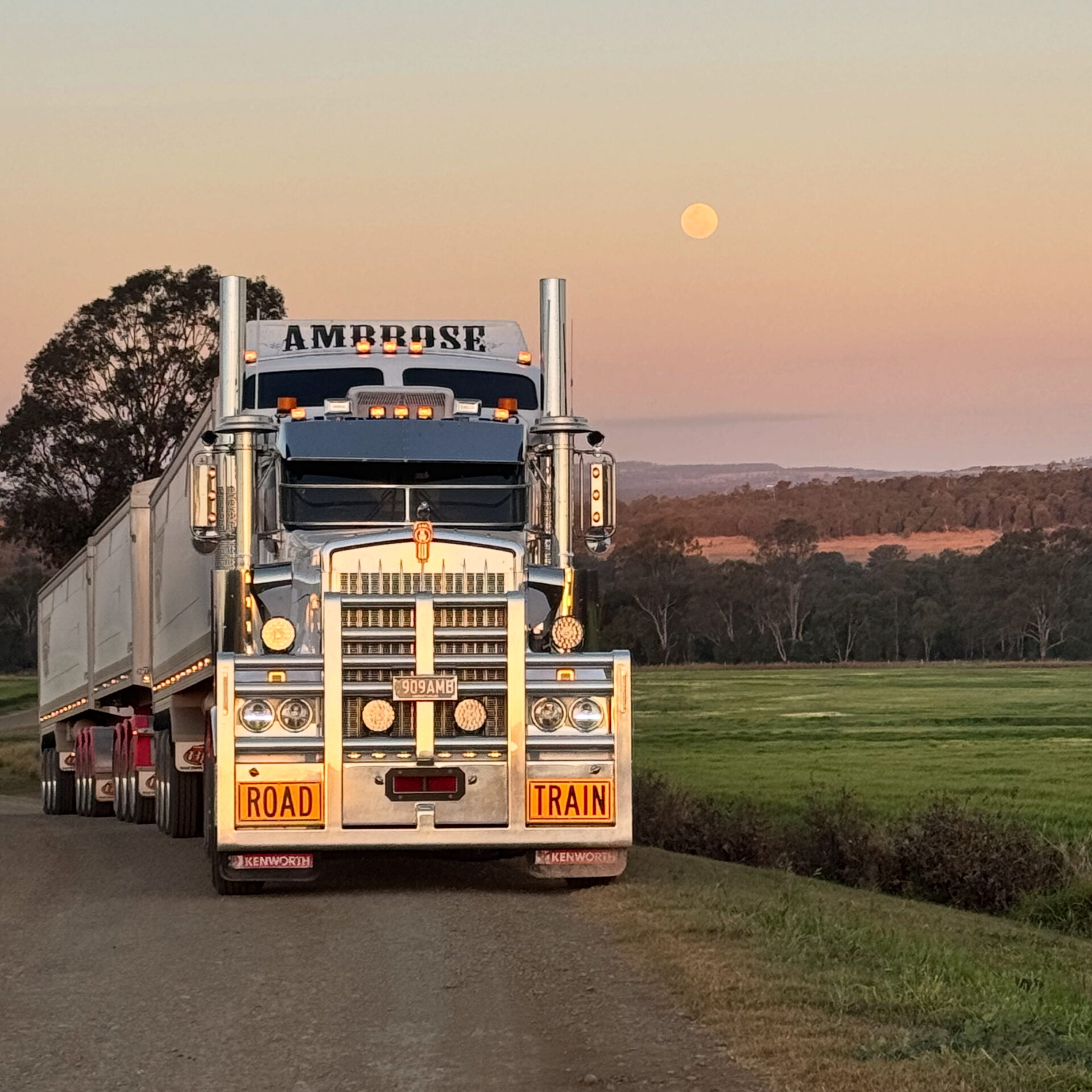
Yes. Prime mover finance is a significant part of our business. We also finance B-doubles, road trains, tippers, agitators, crane trucks, refrigerated trucks and other heavy vehicles used in transport, construction, logistics and mining. If it is a commercial vehicle used for business purposes, we can likely arrange commercial truck finance for it.
How does GST work when financing a truck?
GST treatment depends on the finance structure you choose. With a chattel mortgage, GST-registered businesses can typically claim the full GST on the purchase price in the next BAS period. With a finance lease or hire purchase, the GST is spread across the repayments.
This is general guidance only and you should confirm the specific treatment with your accountant based on your business structure and circumstances.